
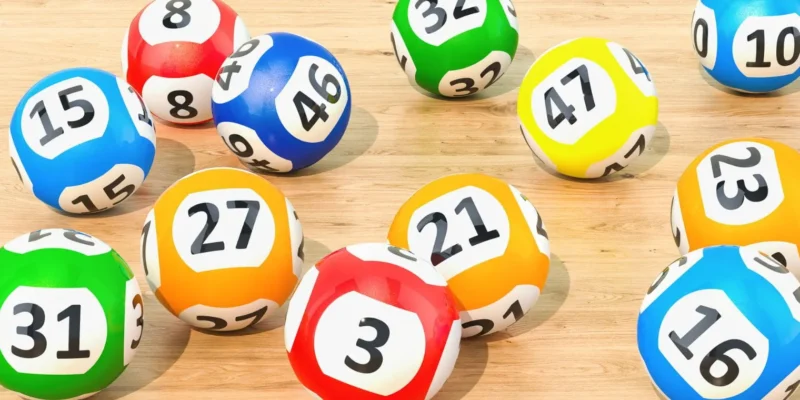
Lottery

Chasing Fortune: The Allure, Impact, and Complex Reality of the Lottery

Introduction: A Dream Sold One Ticket at a Time

Few phenomena capture the imagination quite like the lottery. For the price of a modest ticket, people across the world purchase not just a chance at unimaginable wealth, but a moment of pure hope—a brief, gleaming vision of an entirely different life. The appeal is universal and enduring: whether one plays casually or religiously, the lottery promises something seductive, something almost mythic. But behind the glittering veil of jackpots and millionaire dreams lies a more nuanced story—one of psychology, economics, ethics, and cultural fascination.

Origins of the Lottery: From Ancient Practice to Modern Industry

The concept of lottery is far from new. Its earliest incarnations can be traced to ancient China, where rudimentary forms of number-drawing games were used to fund state projects, including the Great Wall. Ancient Rome followed suit, organizing lotteries at banquets and public festivals, often for the benefit of civic infrastructure. In Renaissance Europe, monarchs and city-states turned to lotteries to fill their treasuries without levying unpopular taxes.

By the 17th century, government-run lotteries were commonplace in parts of Europe, and eventually, the practice migrated to the New World. The United States adopted lotteries during its colonial period to help finance roads, bridges, libraries, and even universities. What began as a public-financing tool has since evolved into a sprawling, billion-dollar entertainment industry spanning the globe.

The Mechanics: Simplicity with Staggering Stakes

At its core, the lottery is a simple game of chance. Players select numbers—either manually or randomly generated—and await a draw. If the numbers match, they win. The simplicity is part of the appeal: no skill is required, no learning curve to master. It’s one of the few games in which the odds are equal for everyone, regardless of background or experience.

Lotteries come in various forms:

  • National Lotteries: Operated by governments with huge jackpots and weekly draws

  • Scratch Cards: Instant-win tickets with smaller, but immediate, prizes

  • Daily Draws and Keno: Short-term games with more frequent outcomes

  • Mega Jackpots: International games like EuroMillions and Powerball offering prizes in the hundreds of millions

These variations keep the format fresh and flexible, appealing to a wide range of players from casual dreamers to die-hard enthusiasts.

The Psychology of Playing: Hope, Fantasy, and the Power of “What If”

Why do people play the lottery, knowing the odds are astronomically stacked against them? The answer lies not in logic but in emotion. The lottery taps directly into the human appetite for hope, for change, and for the life-altering magic of sudden fortune.

Psychological Motivators

  • Optimism Bias: Many players believe they’re “due” for a win or possess lucky numbers

  • Escapism: Buying a ticket offers a fleeting mental escape from life’s constraints

  • Fantasy Fulfillment: Imagining what one would do with the winnings—houses, travel, charity—is a pleasure in itself

  • Low-Cost Risk: The investment is small, but the potential reward is massive

For many, the ritual of playing the lottery offers more than a chance to win—it provides a structured way to hope. In a world of uncertainty and limited upward mobility, the lottery levels the field, however briefly.

Winners and Woes: The Complex Life After a Jackpot

Stories of lottery winners often make headlines—overnight millionaires purchasing yachts, quitting jobs, and giving back to their communities. But less publicized are the cautionary tales: fortunes squandered, friendships destroyed, and personal lives thrown into chaos.

Realities Facing Lottery Winners

  • Sudden Wealth Syndrome: A psychological condition marked by anxiety, mistrust, and isolation after coming into large sums

  • Financial Mismanagement: Without proper planning, large windfalls often vanish within a few years

  • Social Fallout: Winners can face strained relationships or become targets for scams and opportunism

  • Legal and Tax Issues: Navigating the complexities of sudden wealth often requires professional help, which many are unprepared for

While the idea of instant wealth is intoxicating, the aftermath can be profoundly destabilizing. Not all that glitters, it turns out, is gold.

The Lottery and Society: Who Really Pays?

Lotteries are often promoted as benign fun or a way to support public programs such as education, parks, or veterans’ services. While this is true to a degree, critics argue that lotteries also disproportionately affect the most economically vulnerable.

Ethical Considerations

  • Regressive Spending: Lower-income individuals often spend a larger percentage of their income on tickets

  • Illusion of Mobility: Lotteries may offer false hope, acting as a psychological crutch rather than a real path out of poverty

  • Aggressive Marketing: Advertising often targets struggling communities with messages of dreams and escape

  • Lack of Transparency: Where the proceeds go isn’t always clear, and oversight varies by jurisdiction

These concerns raise difficult questions about the role of government in promoting gambling under the guise of opportunity. Is it truly harmless fun—or institutionalized exploitation wrapped in glittering odds?

Global Perspectives: Cultural Variations in Lottery Play

Different countries view and regulate lotteries in vastly different ways. In the United Kingdom, for example, the National Lottery is widely accepted and tightly regulated, with a clear emphasis on charitable contributions. In Spain, the Christmas lottery “El Gordo” is a national tradition, with offices and families often pooling money to buy shares of a ticket.

In contrast, many countries in the Middle East or Asia have strict regulations or outright bans on lotteries due to religious or legal principles. Meanwhile, underground and black-market lotteries thrive in regions where the practice is illegal, highlighting the enduring human fascination with luck and chance.

Conclusion: Between Fantasy and Reality

The lottery is a mirror—reflecting our desires, our optimism, and sometimes our desperation. It is one of the few rituals shared across cultures, classes, and continents. The ticket we buy isn’t just paper; it’s a symbol of what could be, a temporary escape from what is.

Yet as with all games of chance, there is a cost beneath the promise. Understanding the social, psychological, and economic layers of lottery play can help demystify its appeal—and encourage a more mindful approach to participation. For some, a lottery ticket is a harmless indulgence. For others, it’s a fragile lifeline.

In either case, the lottery remains one of the most paradoxical institutions in modern life: simple yet complex, thrilling yet sobering, generous yet unforgiving. It is, in every sense, a gamble.

What's your reaction?

Excited
0
Happy
0
In Love
0
Not Sure
0
Silly
0

You may also like

More in:Lottery