Poker

Mastering the Art of Poker: Strategy, Psychology, and Elegance at the Table

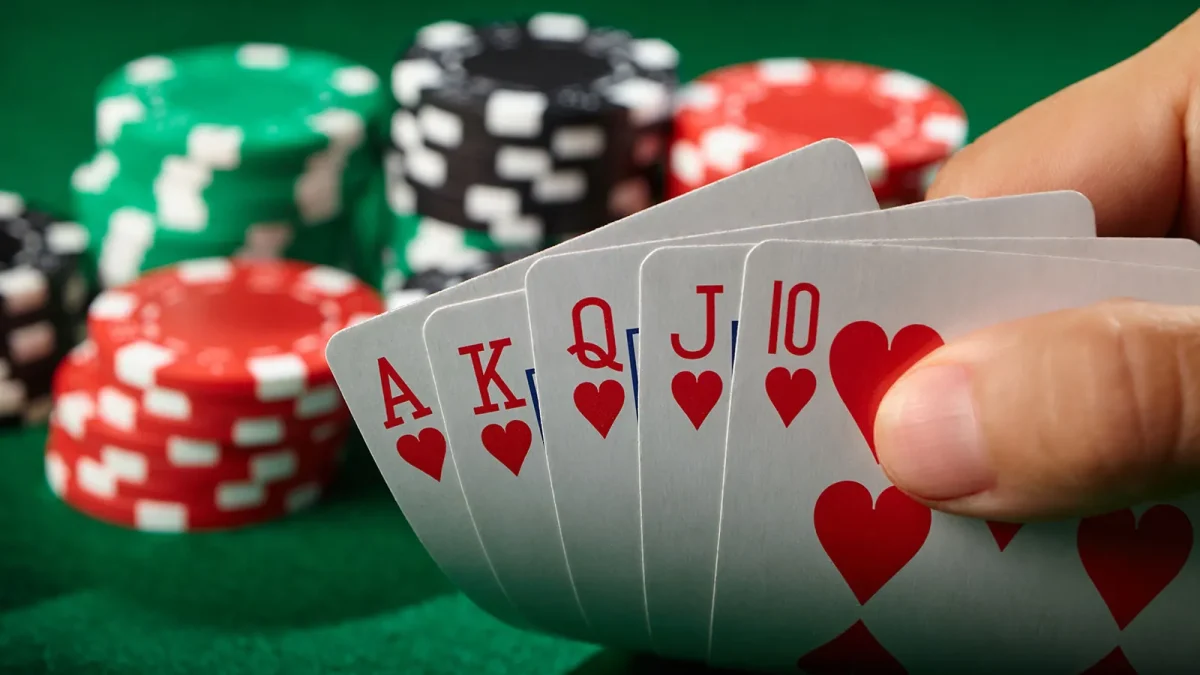
Poker is more than just a card game; it is a captivating blend of strategy, psychology, and skill that has enthralled players across the globe for centuries. From smoky backroom games to the dazzling lights of international tournaments, poker’s timeless allure lies in its delicate balance of chance and calculated decision-making. In this article, we delve into the essence of poker, exploring its history, fundamental strategies, and the mental acuity required to excel, all while maintaining the refined elegance that this classic game demands.

The Origins and Evolution of Poker

Though the precise origins of poker are debated, its roots can be traced back to early 19th-century America, where it emerged as a fusion of various European card games. The game quickly evolved on the Mississippi Riverboats, where gamblers refined its rules and tactics, transforming poker into a cultural phenomenon. Over time, different variants like Texas Hold’em and Omaha gained prominence, each adding unique layers of complexity and excitement.

Today, poker’s popularity transcends borders and social strata, fueled by the advent of online platforms and televised tournaments such as the World Series of Poker (WSOP). This growth has democratized access, allowing novices and professionals alike to showcase their prowess on a global stage.

The Core Principles of Poker Strategy

At its heart, poker is a game of incomplete information. Unlike games of pure chance, such as roulette, poker players must make decisions with limited knowledge about their opponents’ hands. Success hinges on mastering several key strategic principles:

  • Starting Hand Selection: Not all hands are created equal. A discerning player knows which hands to play and which to fold preemptively, conserving chips and avoiding unnecessary risks.

  • Positional Awareness: Position at the table is crucial. Acting later in a betting round provides the advantage of observing opponents’ actions before committing chips.

  • Bet Sizing: Effective bet sizing can control the pot size, manipulate opponents’ behavior, and convey strength or weakness subtly.

  • Bluffing and Deception: Skillful bluffing can force opponents to fold superior hands, but it requires timing, reading opponents, and understanding the table dynamic.

  • Pot Odds and Expected Value: Calculating whether a call or raise is profitable in the long run is essential, especially in no-limit games where stakes fluctuate dramatically.

The Psychological Dimension: Reading Minds Without Words

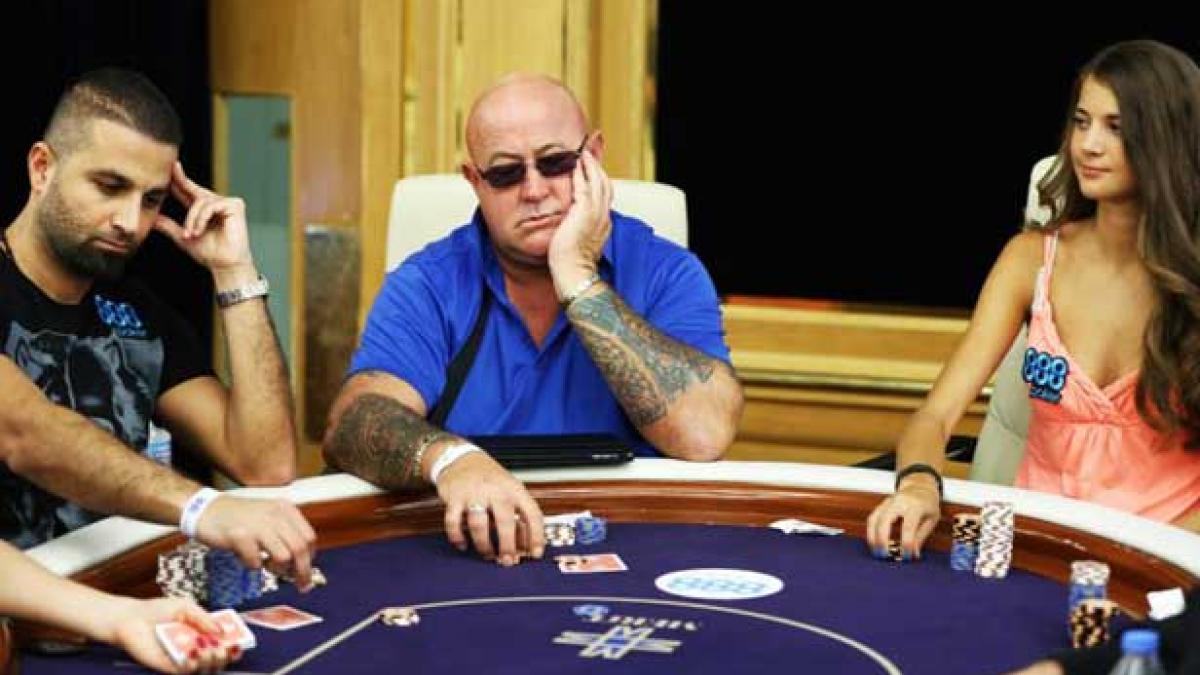
Poker is as much a mental contest as it is a game of cards. The best players are astute psychologists, constantly interpreting the subtle tells and betting patterns that reveal an opponent’s intentions. They cultivate emotional control to avoid “tilt” — the frustration that leads to irrational play.

Key psychological skills include:

  • Emotional Resilience: Remaining calm under pressure ensures consistent, logical decisions.

  • Observation and Pattern Recognition: Tracking opponents’ tendencies and adjusting strategies accordingly.

  • Confidence and Patience: Knowing when to wait for the right moment to strike and when to fold and regroup.

This mental fortitude distinguishes casual players from true professionals, elevating poker into a sophisticated art form.

Popular Variants and Their Unique Appeal

While Texas Hold’em is the undisputed champion of poker variants, other forms offer unique challenges and thrills:

  • Omaha: Similar to Hold’em but with four hole cards, Omaha demands intricate calculation and cautious play due to the increased number of possible hand combinations.

  • Seven-Card Stud: Played without community cards, Stud requires players to piece together their best hand from individually dealt cards, making memory and observation paramount.

  • Razz: A lowball variant where the lowest hand wins, Razz flips traditional poker strategy on its head and requires a distinct approach.

Each variant appeals to different player styles, ensuring that poker’s rich diversity continues to captivate new generations.

Etiquette and the Culture of Poker

Beyond cards and chips, poker is steeped in tradition and social rituals that underscore respect and sportsmanship. Good etiquette fosters a positive atmosphere and smooth gameplay, reflecting the game’s heritage of elegance.

Some key etiquette points include:

  • Avoid slow-rolling or deliberately misleading opponents after winning a hand.

  • Protect your cards and chips carefully to maintain game integrity.

  • Respect dealers and fellow players, regardless of outcomes.

  • Avoid excessive celebration or displays of frustration.

Such decorum enhances the overall experience, transforming poker from a mere contest into a refined social engagement.

The Modern Landscape: Online Poker and Technological Advances

The digital revolution has transformed poker dramatically. Online platforms offer unparalleled convenience, vast player pools, and innovative formats like multi-table tournaments and fast-fold cash games. Advanced software tools allow players to analyze their play, identify leaks, and hone strategies more effectively than ever before.

However, this shift also demands heightened vigilance against unethical practices such as collusion and the use of bots. Regulatory bodies and poker sites invest heavily in ensuring fair play, preserving the game’s integrity in the digital age.

Conclusion: The Enduring Charm of Poker

Poker’s enduring appeal lies in its elegant complexity and the intimate interplay of luck, skill, and psychology. It is a game where intellect meets intuition, where every hand dealt is an invitation to challenge oneself and others. Whether played casually among friends or fiercely in high-stakes tournaments, poker embodies a timeless spirit of competition and camaraderie.

For those willing to master its nuances, poker offers not only the thrill of victory but a lifetime of intellectual engagement and social connection. To play poker well is to participate in a grand tradition — a celebration of strategy, discipline, and the art of reading people as much as cards. This is why poker continues to captivate hearts and minds, making it much more than a game; it is a refined pursuit worthy of admiration.

What's your reaction?

Excited
0
Happy
0
In Love
0
Not Sure
0
Silly
0

You may also like

More in:Poker