
 By
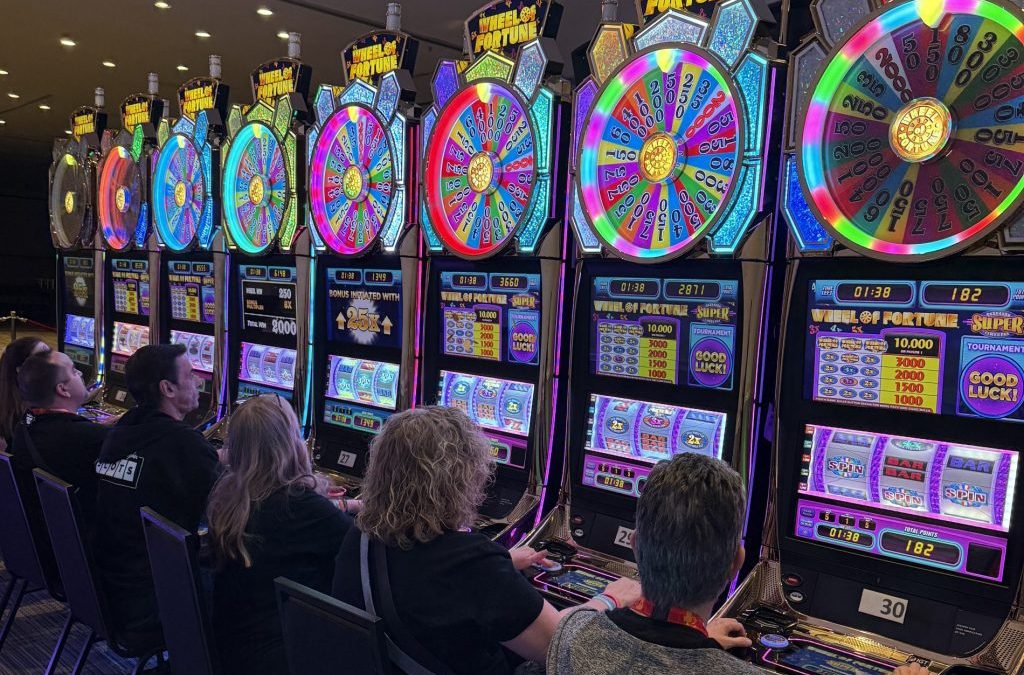
By Few sights on a casino floor match the sensory experience of a bank of modern slot machines. Flashing neon lights, synchronized audio cues, and the promise of life-changing progressive jackpots draw millions of players daily. Whether spinning physical reels in a Las Vegas resort or launching a digital video slot on a mobile device, the appeal remains universal. It requires no complex rules, no mathematical memorization, and no tactical execution. You simply insert money, select your wager, and press the spin button.
Yet, this simplicity breeds endless speculation. Walk into any gaming forum or chat with seasoned casino regulars, and you will hear countless theories about how to beat the system. People swear by timing their spins, tracking hot and cold machines, or following complex progression betting patterns. This raises a fundamental question for anyone looking to maximize their entertainment budget. Are there any real strategies for winning at slots, or is the outcome entirely dictated by blind luck? Separating mathematical reality from casino myth is essential for anyone hoping to approach these popular games with a clear head.
The Mathematics Behind the Machine
To understand why traditional strategies fail, you must look at the foundational technology powering every single spin. Modern slot machines are essentially specialized computers running software governed by a Random Number Generator. This algorithm continuously cycles through thousands of potential number combinations every second, even when nobody is actively playing. The exact millisecond you press the spin button, the system freezes its cycle and selects the corresponding symbols for that specific round.
This mechanism ensures two absolute truths about slot machine design.
-
Complete Independence: Every single spin is a completely isolated event. The machine has no memory, meaning a spin that yields a massive jackpot has zero influence on the outcome of the next spin.
-
Fixed Mathematical Advantage: Every game is programmed with a specific Return to Player percentage and a corresponding house edge. Over millions of simulated rounds, the software will always retain its designated mathematical percentage, ensuring the casino makes a profit.
Debunking Common Slot Myths
Because human psychology naturally seeks patterns in randomness, numerous persistent myths have developed around slot machine behavior. Believing these misconceptions can lead to rapid financial depletion and severe frustration.
The Myth of Hot and Cold Cycles
A widespread belief suggests that machines go through cycles where they are due to pay out or conversely frozen because they just hit a jackpot. In reality, because every spin is determined by a random algorithm, a machine is just as likely to hit a jackpot immediately after a massive payout as it is after a hundred losses. There is no memory, no internal meter filling up, and no cycle to track.
The Fallacy of Timing and Skill Stops
Some players believe that pressing the spin button at precise intervals or tapping the stop button to halt reels manually alters the outcome. On modern video slots, the final result is determined the microsecond the initial spin button is pressed. The visual spinning reels are merely an entertaining animation designed to build suspense, meaning your physical timing has zero impact on the mathematical result.
Practical Approaches That Actually Work
While you cannot influence the random number generator or alter the mathematical house edge, you can apply smart management techniques to control your spending, optimize your session length, and maximize your entertainment value. These practical steps replace magical thinking with disciplined bankroll administration.
Evaluating Return to Player Percentages
Before sitting down at a physical machine or launching an online title, check the game information panel for the Return to Player percentage. This theoretical metric indicates how much of the wagered money the game pays back over the long term. While a ninety-six percent return does not guarantee you will walk away a winner in a short session, choosing games with higher percentages gives your bankroll a better statistical foundation than playing titles set to a lower return.
Managing Volatility and Paytable Structures
Slot machines vary wildly in their volatility profile. Low volatility games pay out frequent small wins, keeping your bankroll stable and allowing for extended playing time. High volatility games offer rare, massive payouts but feature long, punishing dry spells where your balance quickly evaporates. Selecting a volatility profile that matches your financial goals is one of the most effective ways to control your session experience.
Establishing Strict Loss and Win Limits
The ultimate trap for slot players is chasing losses or failing to walk away after securing a profit. Before you place your first bet, determine a strict budget that you can afford to lose without impacting your daily life. Set a firm loss limit to stop playing when your entertainment budget runs out, and set a win goal so you know when to walk away with house money in your pocket.
Frequently Asked Questions
Can online slots be rigged by the casino to prevent payouts?
Licensed and regulated online casinos utilize software provided by certified third-party developers. These games undergo rigorous independent auditing to ensure the random number generators operate fairly and match their advertised return percentages, preventing operators from manually altering results.
Do progressive jackpots require maximum bets to qualify?
Many traditional progressive jackpot machines require players to place the maximum coin denomination or maximum line bet to be eligible for the top tier prize. Always check the specific paytable rules before playing to ensure your wager qualifies you for the advertised jackpot.
Are penny slots safer for your bankroll than high denomination machines?
Penny slots are often perceived as low risk because the cost per line is minimal. However, modern multi-line and multi-coin video slots often require dozens or hundreds of credits per spin, meaning your actual cost per round can easily exceed traditional three-reel high denomination games.
What does game volatility mean for my session?
Volatility describes how a slot distributes its payouts. Low volatility means steady, smaller wins, while high volatility means infrequent wins with the potential for massive single payouts, requiring a larger bankroll to weather the dry spells.
Is there any benefit to playing physical machines over digital versions?
Physical cabinet machines offer a tactile, atmospheric casino experience with social elements, while digital versions offer superior return percentages, wider thematic variety, and convenience. Mathematically, both rely on the exact same random number generation principles.
How do casino loyalty programs impact slot play?
Loyalty cards and player clubs track your cumulative coin-in volume, rewarding you with complimentary food, hotel stays, or cashback. While these perks do not alter the math of the slots, they provide tangible added value that helps offset your overall entertainment cost.
Why do some slots feature bonus buy options?
Bonus buy features allow players to pay a multiple of their current stake to instantly trigger the free spins or bonus round. While this skips the base game grind, it carries high variance and significantly higher short-term financial risk, requiring extreme caution.