Bingo

Beyond the Numbers: The Enduring Charm and Cultural Evolution of Bingo

Introduction: A Game of Chance, A Social Ritual

Bingo is far more than a casual pastime played in church halls or retirement communities. With origins tracing back centuries and a global presence that spans physical halls to digital screens, bingo has earned its place as one of the most enduring and socially rich games in history. It is a game of numbers, yes, but beneath the surface lies a compelling mix of suspense, community, nostalgia, and adaptation. Today, bingo remains both a comforting tradition and a dynamic, evolving form of entertainment, transcending generations and geography.

The Roots of Bingo: A Historical Perspective

The history of bingo is as fascinating as the game itself. Most scholars trace its lineage to a 16th-century Italian lottery game called “Il Gioco del Lotto d’Italia.” Over time, the game made its way through France and Germany, where it was adapted for educational purposes such as teaching children math, spelling, and history. It wasn’t until the early 20th century, however, that bingo took on its modern form and widespread popularity.

In the United States, the game was initially known as “Beano,” played with dried beans, a rubber stamp, and cardboard sheets. The name “Bingo” reportedly emerged when an excited player shouted the word by accident, prompting toy salesman Edwin Lowe to adopt it as a commercial version. From there, bingo exploded across America, becoming a fixture at fundraisers, community centers, and casinos alike.

The Mechanics of the Game: Simple Yet Addictive

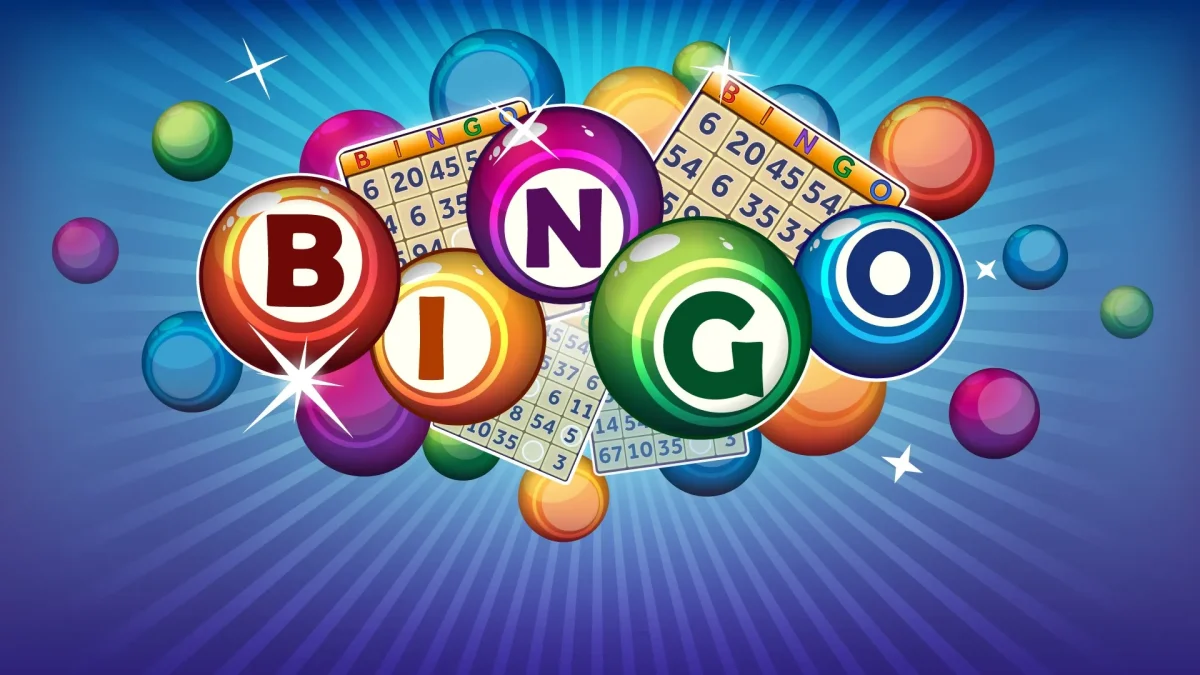
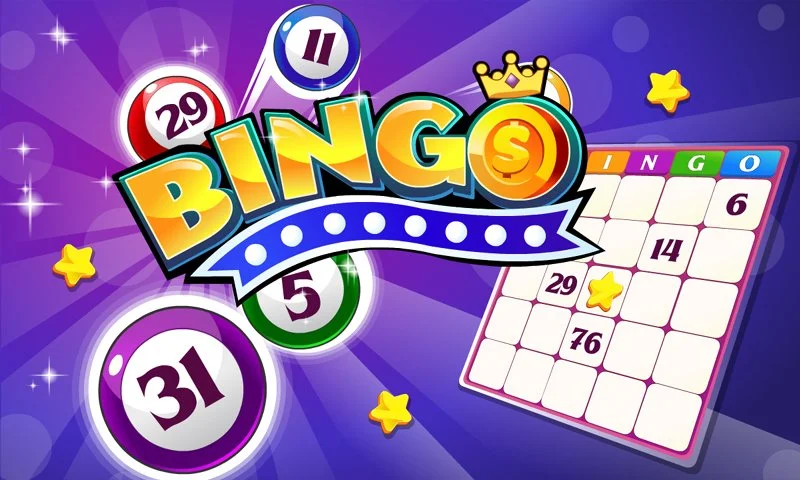
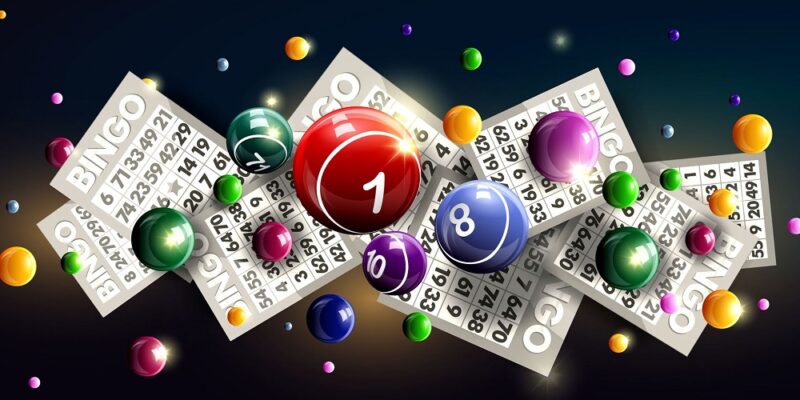
At its core, bingo is delightfully simple. Players receive cards marked with a grid of numbers, and as a caller draws random numbers, they mark off matching squares. The first person to complete a specific pattern—whether a straight line, full house, or special configuration—wins.

Despite its simplicity, the game has a strangely magnetic quality. The anticipation of each number being called, the near-misses, and the communal thrill when someone finally shouts “Bingo!” create a unique blend of excitement and connection. This accessibility and tension are what have kept the game popular across various demographics for generations.

Bingo and Community: More Than a Game

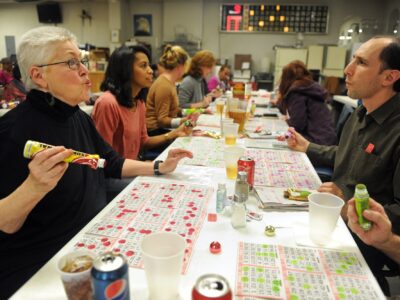
One of bingo’s most defining features is its social element. Unlike many other forms of gaming or gambling, bingo fosters interaction, camaraderie, and often, a shared sense of tradition. For older adults, bingo nights serve not just as entertainment but as vital social lifelines, offering structure, engagement, and a sense of belonging.

Social Benefits of Bingo

  • Combats Loneliness: Especially in senior communities, bingo offers regular opportunities for social interaction.

  • Fosters Intergenerational Connection: Family bingo nights and community events bring together people of all ages.

  • Encourages Communication: The relaxed, rhythmic nature of the game encourages conversation and bonding.

This social dynamic is not incidental—it is intrinsic to the game’s appeal. In an increasingly digitized and isolating world, bingo’s community-driven format offers a nostalgic and meaningful counterbalance.

Digital Transformation: Bingo in the 21st Century

Like most forms of entertainment, bingo has had to evolve in the face of digital innovation. Online bingo has surged in popularity, offering a modern twist on the traditional format while introducing new features such as chat rooms, themed games, and progressive jackpots.

Features of Online Bingo

  • Accessibility: Players can join games from anywhere, at any time, using phones or computers.

  • Variety: Online platforms offer multiple formats—75-ball, 90-ball, speed bingo, and more.

  • Incentives: Promotions, bonuses, and loyalty programs keep players engaged.

Far from replacing traditional bingo, the digital version has expanded the game’s reach and relevance. Many older players have embraced the transition, finding new communities online, while younger audiences are discovering the game in virtual lounges with trendy graphics and interactive features.

The Culture of Bingo: Symbols, Superstitions, and Rituals

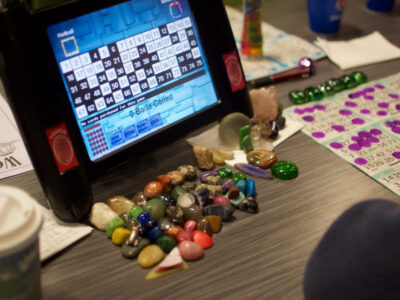
Bingo is rich with cultural nuances and personal rituals. Players often have their “lucky” cards, bring charms or wear specific colors, and develop quirky habits they believe influence the outcome. These traditions, while irrational in a strictly mathematical sense, contribute to the game’s deeply personal and immersive nature.

Additionally, the bingo lexicon—such as “two little ducks” for 22 or “legs eleven”—adds a whimsical, almost poetic layer to the experience. This colloquial charm is part of what makes bingo more than a game; it is a culture in itself, replete with its own humor, lingo, and folklore.

Economic and Charitable Impact

While often associated with leisure, bingo also holds substantial economic and philanthropic value. In many communities, it is a cornerstone of fundraising efforts. Churches, schools, and nonprofit organizations have long relied on bingo nights to raise money for causes, leveraging its wide appeal and low barrier to entry.

Economic Contributions

  • Job Creation: Bingo halls, both physical and virtual, employ a significant number of staff.

  • Tourism and Hospitality: Large-scale bingo events attract participants from across regions, boosting local economies.

  • Fundraising: Millions of dollars are raised annually through charity bingo events worldwide.

This dual nature—entertainment and utility—gives bingo a distinctive role in society, bridging joy with purpose.

Challenges and Misconceptions

Despite its popularity, bingo is not without criticism. Some view it as outdated, slow-paced, or even frivolous. Others raise concerns about gambling addiction, particularly with the rise of online variants that blend bingo with casino-style mechanics. It’s important to distinguish between recreational and problem gambling, and to support regulations that promote responsible play.

The truth is, bingo’s charm lies in its moderation. Unlike high-stakes games driven by adrenaline and risk, bingo offers a gentler, more social form of entertainment. When managed responsibly, it is one of the most benign forms of gaming available.

Conclusion: A Timeless Game with Modern Relevance

Bingo’s appeal is deceptively simple, yet undeniably powerful. It’s a game of chance that offers far more than the thrill of winning—it provides structure, social connection, cultural identity, and community purpose. Whether played in a bustling church hall, a seaside arcade, or a sleek digital interface, bingo remains a cherished ritual that brings people together across boundaries of age, class, and geography.

In a world that often feels fragmented and fast-moving, the enduring popularity of bingo is a testament to its unique balance of nostalgia and adaptability. As technology continues to reshape entertainment, bingo stands as a quietly resilient reminder that sometimes, the simplest games are the ones that resonate the longest.

What's your reaction?

Excited
0
Happy
0
In Love
0
Not Sure
0
Silly
0

You may also like

More in:Bingo