Bingo

Eyes Down for a Full House: The Enduring Legacy and Modern Revival of Bingo

Introduction: A Game Reimagined for Every Generation

Bingo, often dismissed as a quaint pastime for the elderly, is undergoing a quiet but unmistakable renaissance. From dusty community halls to dazzling online platforms, bingo continues to captivate players with its irresistible blend of chance, suspense, and community. What began centuries ago as a lottery-style game has evolved into a global cultural touchstone—playful yet nostalgic, simple yet rich with tradition. Today, bingo is far more than a game; it’s a symbol of connection, adaptation, and timeless fun.

A Journey Through Time: The Origins and Evolution of Bingo

The game we now call bingo has roots that stretch back to 16th-century Italy, where a national lottery called “Il Gioco del Lotto d’Italia” laid the groundwork for what would become a beloved global phenomenon. By the 18th century, the game had traveled to France, where it was known as “Le Lotto” and played largely by aristocrats. In Germany, it served an educational function, helping children learn multiplication and spelling.

It wasn’t until the early 20th century in the United States that the game morphed into its current form. Originally called “Beano,” it was played at country fairs using beans to mark cards. The name changed to “Bingo” when a player, overtaken with excitement, reportedly shouted the word by mistake during a game. Entrepreneur Edwin Lowe saw the potential, developed commercial versions, and by the 1930s, bingo was taking the nation by storm.

The Mechanics of the Game: A Perfect Balance of Luck and Anticipation

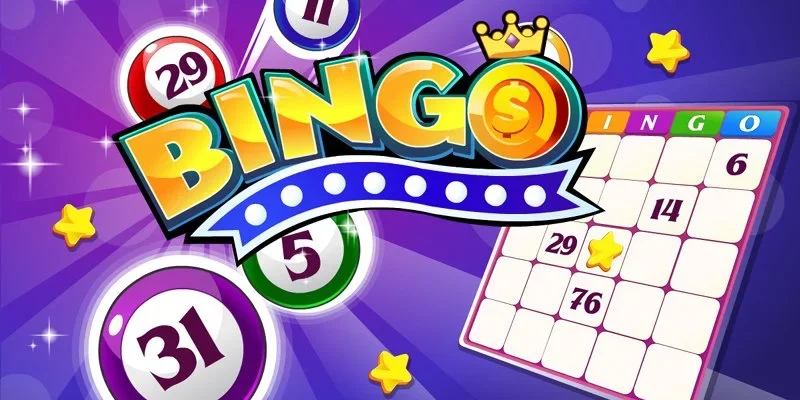
Bingo is deceptively simple, which is precisely its strength. Each player is given a card with a grid of numbers. A caller randomly draws numbers, and players mark them off if they appear on their cards. The first person to complete a specific pattern—be it a line, corners, or a full house—wins.

But beneath the surface, bingo offers a unique psychological experience. The build-up to a win, the tension of near misses, and the communal exclamation of “Bingo!” all contribute to a shared thrill. It’s this simplicity, combined with moments of genuine suspense, that makes the game universally appealing.

The Social Fabric of Bingo: More Than Just a Game

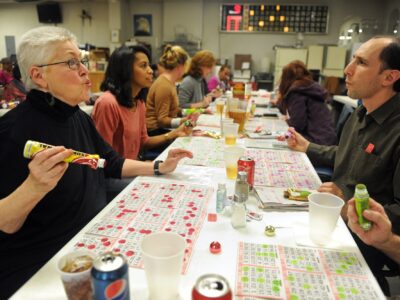
Few games can claim the level of social importance bingo has earned. In towns and cities across the world, bingo nights are woven into the weekly rhythm of life. They are opportunities not just for recreation but for bonding, routine, and in many cases, emotional support.

Why Bingo Matters to Communities

  • Reduces Social Isolation: Particularly for older adults, bingo provides consistent social interaction in an enjoyable setting

  • Promotes Intergenerational Play: Family bingo nights are increasingly popular, creating memories across age groups

  • Supports Mental Engagement: Tracking numbers and patterns stimulates cognitive function in a gentle, non-stressful way

More than just entertainment, bingo represents a safe and inclusive space. Whether in person or online, players often develop a sense of community that extends well beyond the game itself.

The Digital Turn: Bingo in the Online Era

In recent years, bingo has seamlessly transitioned into the digital realm, reaching new audiences and rejuvenating its image. Online bingo platforms now cater to a global user base, offering themed rooms, jackpots, and even live callers via video stream.

Features of Online Bingo That Enhance the Experience

  • Accessibility: Games run around the clock, allowing players to participate at their convenience

  • Variety: Options include 75-ball, 80-ball, and 90-ball formats, each with its own strategic nuances

  • Interactive Communities: Chat features allow players to socialize during games, maintaining the game’s social essence

  • Gamification: Loyalty points, mini-games, and animated graphics keep the experience lively and engaging

Digital bingo has not only retained the essence of traditional play but expanded its appeal. Younger generations, previously unfamiliar with the game, are now discovering its charms through apps and interactive platforms.

Bingo and Charity: A Game That Gives Back

Beyond its entertainment value, bingo has a long-standing association with philanthropy. Churches, schools, and non-profits have long used bingo nights as fundraising tools, capitalizing on the game’s broad appeal and low entry barrier.

The Positive Impact of Bingo on Local Economies and Charities

  • Fundraising Events: Bingo nights often generate substantial revenue for community causes

  • Economic Contribution: From hall rentals to staffing, bingo supports local employment and services

  • Social Investment: Proceeds often support youth programs, elder care, and cultural initiatives

The charitable dimension of bingo adds a layer of goodwill and purpose to the game, reinforcing its value within the community.

Misconceptions and Modern Realities

Despite its popularity, bingo is not immune to stereotype. Many still associate it solely with older demographics or see it as an outdated form of entertainment. Yet these views fail to account for the game’s evolution and broadening audience.

Equally important is the discussion around responsible gaming. Like any game involving stakes, bingo requires mindful participation. Thankfully, most platforms—especially online—incorporate tools for setting limits, taking breaks, and offering help to those who may need it.

Cultural Resonance: Bingo as a Symbol of Nostalgia and Joy

Bingo holds a unique place in cultural memory. For many, it evokes images of childhood summers, smoky community halls, or cherished evenings with grandparents. Its sounds—the rustle of cards, the rhythmic calling of numbers, the joyous cries of a winner—are instantly recognizable and oddly comforting.

Today, themed bingo nights—ranging from drag bingo to musical bingo—are bringing new flavor and fun to the traditional format. In these settings, bingo becomes more than a game; it’s a social event, a celebration, and a vibrant expression of community spirit.

Conclusion: Bingo’s Quiet Brilliance

In a world increasingly driven by fast-paced digital entertainment and fleeting distractions, the enduring popularity of bingo is both surprising and refreshing. It is a game that thrives on patience, attention, and togetherness—values that often feel scarce in modern life. Whether played for fun, fellowship, or fundraising, bingo continues to charm with its warm familiarity and subtle excitement.

Its staying power lies not in complexity but in connection. As technology reshapes the way we play and interact, bingo’s blend of simplicity, inclusivity, and community ensures that it remains a cherished pastime. For those willing to listen, amid the quiet shuffle of cards and the soft murmur of anticipation, bingo still has much to say.

What's your reaction?

Excited
0
Happy
0
In Love
0
Not Sure
0
Silly
0

You may also like

More in:Bingo