Bingo

Bingo Reimagined: The Surprising Resilience and Reinvention of a Classic Game

Introduction: A Game of Simplicity, Depth, and Social Bonding

Bingo is more than just a game of numbers and luck—it’s a cherished ritual, a cultural staple, and for many, a source of joy and community. Once confined to church basements, village halls, and senior centers, bingo has undergone a transformation in recent years, reemerging in both digital and social arenas with remarkable adaptability. Despite being steeped in tradition, bingo continues to evolve while preserving the qualities that made it beloved in the first place: simplicity, suspense, and human connection.

A Brief History: From Italian Lotteries to Global Fame

The roots of bingo stretch back to 16th-century Italy, where a lottery game called “Il Gioco del Lotto d’Italia” became a favorite among the population. As the concept spread across Europe, France adopted a variation called “Le Lotto,” often played by the aristocracy, while Germany adapted the format for educational purposes, using it to teach children arithmetic and vocabulary.

Bingo crossed the Atlantic in the early 20th century, becoming wildly popular in the United States. Originally called “Beano,” the game used dried beans to mark numbers on a card. Legend has it that a player, upon winning, accidentally shouted “Bingo” instead of “Beano,” prompting game promoter Edwin S. Lowe to adopt the new name. What followed was a national craze, with bingo finding a home in schools, churches, retirement communities, and beyond.

The Enduring Appeal: Why Bingo Still Matters

At first glance, bingo may appear too simple to hold long-term appeal. Yet it’s precisely this simplicity that contributes to its universal charm. Easy to learn and accessible to players of all ages, bingo is inclusive by design. It requires no special equipment or physical skill, and its rules can be taught in minutes.

But the true magnetism of bingo lies in its emotional and psychological resonance. The suspense as numbers are called, the near-misses that spark groans or laughter, and the sudden thrill of winning all contribute to a communal experience that transcends mere gameplay.

Key Factors Behind Bingo’s Popularity

  • Accessibility: Anyone can participate, regardless of age or ability

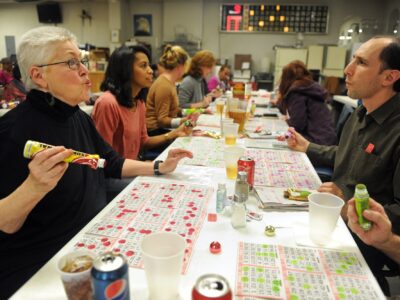
  • Social Interaction: Bingo fosters conversation and shared excitement

  • Low Stakes, High Fun: It offers entertainment without high-pressure competition

  • Routine and Ritual: Regular games provide a comforting structure

These qualities make bingo not just a pastime, but a cornerstone of many social circles, particularly among older adults for whom the game offers a reliable way to connect with others.

The Digital Shift: Bingo in the Modern Era

In the past two decades, bingo has successfully transitioned to the digital world, retaining its core structure while embracing modern technology. Online bingo platforms now offer a vast array of game types, themes, and features, often tailored to specific demographics or interests.

Highlights of Online Bingo Evolution

  • Multiple Variants: From the traditional 75-ball and 90-ball formats to rapid-fire “speed bingo”

  • Mobile Accessibility: Apps allow players to enjoy bingo anywhere, anytime

  • Gamified Features: Leaderboards, themed rooms, and collectible rewards enhance engagement

  • Community Tools: Live chat features replicate the social feel of in-person games

Far from replacing traditional bingo, these platforms have expanded its reach, attracting younger players and revitalizing interest among long-time fans. In fact, themed events like drag bingo, music bingo, and virtual bingo nights have become popular in social circles and corporate team-building activities alike.

Bingo and Wellbeing: A Tool for Cognitive and Emotional Health

While bingo is often categorized as light entertainment, it has notable benefits for mental health and cognitive function. Especially among older adults, the game supports attention span, memory recall, and hand-eye coordination. It also contributes positively to emotional well-being, reducing feelings of loneliness and providing a sense of accomplishment.

Cognitive and Psychological Benefits

  • Mental Stimulation: The game demands concentration and quick recognition

  • Emotional Uplift: Wins—however small—trigger positive emotional responses

  • Routine Engagement: Regular gameplay offers stability and purpose

  • Social Therapy: Group interaction fosters belonging and alleviates isolation

For care homes and senior living communities, bingo is more than a game; it’s an essential activity that enriches daily life and strengthens interpersonal bonds.

Bingo for Good: A Legacy of Charitable Giving

Bingo has long been a favorite fundraising tool for schools, churches, and nonprofit organizations. Its inclusive nature and low cost of entry make it ideal for community fundraising events. The format is simple enough to organize yet entertaining enough to draw a crowd.

Community Impact of Charity Bingo

  • Funds for Education and Health: Proceeds often support local schools, medical care, and community programs

  • Strengthening Local Ties: Events bring people together with a shared cause

  • Volunteer Involvement: Hosting bingo nights encourages civic engagement and service

In this way, bingo bridges recreation and purpose, creating opportunities for communities to support themselves while enjoying shared experiences.

Dispelling the Myths: Rethinking Bingo’s Image

For years, bingo has suffered from an unfair stereotype—painted as a dull, slow-paced activity reserved for the elderly. While older generations have embraced bingo with enthusiasm, the game’s resurgence among younger players tells a different story.

In contemporary settings, bingo is vibrant and adaptable. Whether it’s part of a rowdy Friday night at a pub or a quiet afternoon in a retirement community, the game adjusts to the tone and energy of its audience. Themed events, music pairings, and hybrid formats (such as trivia-bingo mashups) have all helped redefine its image for a new generation.

Conclusion: The Quiet Power of a Classic Game

Bingo endures because it meets a fundamental human need: the desire for connection. In an increasingly fragmented and fast-paced world, bingo offers a rare moment of stillness, structure, and shared purpose. It is democratic in nature—anyone can win, everyone participates—and joyful in execution.

Its ability to evolve without losing its identity is a testament to the game’s timeless appeal. Whether in a traditional hall echoing with the familiar “eyes down” call, or on a sleek smartphone app buzzing with animated flair, bingo continues to bring people together in laughter, hope, and sometimes even in triumph.

It is, in the most unassuming way, a game that reminds us of the value of presence, play, and human connection. And in that sense, bingo is not just surviving—it’s thriving.

What's your reaction?

Excited
0
Happy
0
In Love
0
Not Sure
0
Silly
0

You may also like

More in:Bingo